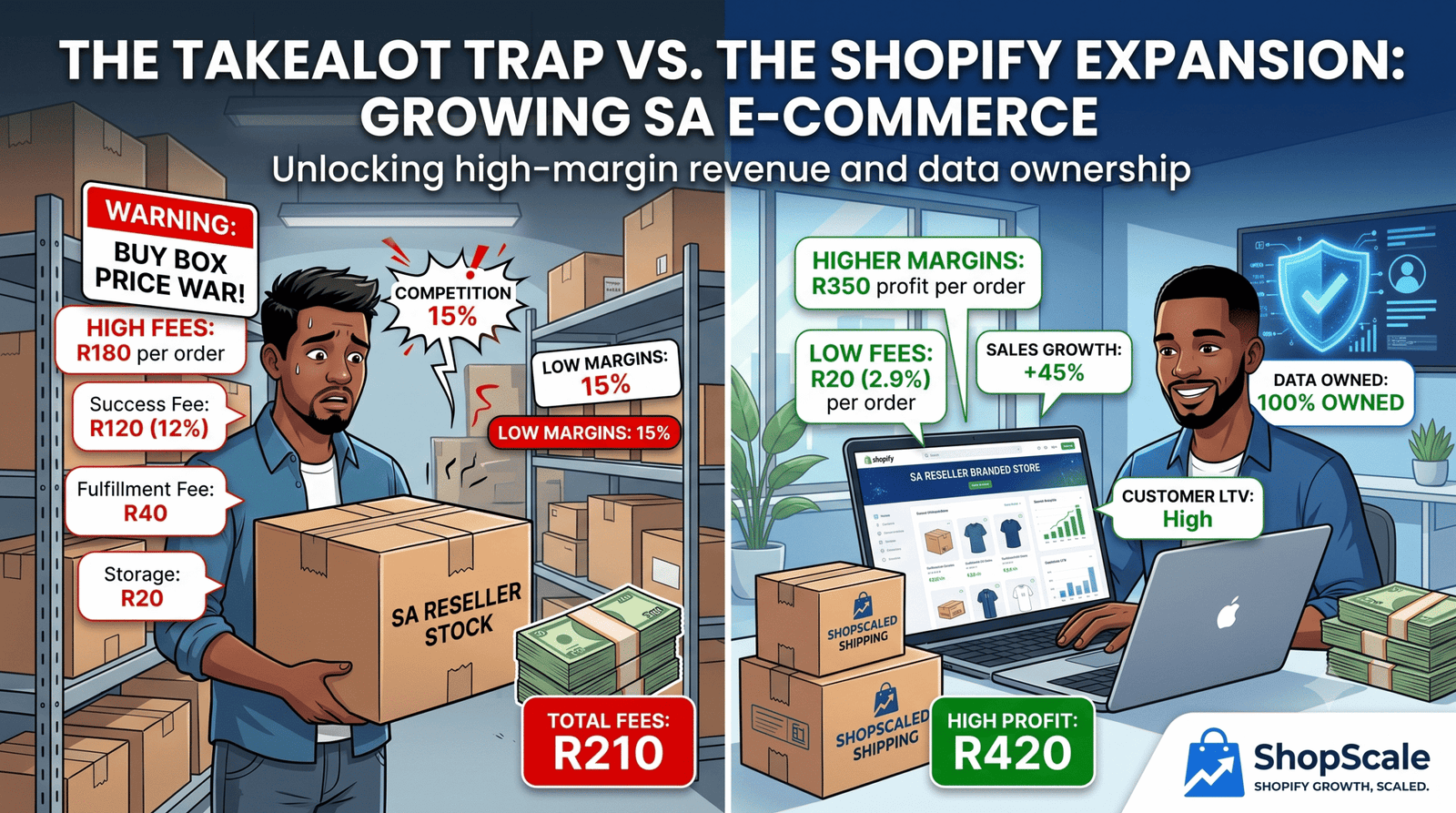
- The Lure: Takealot offers incredible Day-1 distribution and massive traffic, making it the default starting point for many South African e-commerce entrepreneurs and product importers.
- The Trap: As your volume scales, Takealot’s success fees, fulfillment costs, storage rates, and strict lead time penalties aggressively compress your net profit margins.
- The Reseller’s Nightmare: If you are reselling imported or generic goods, you are locked in a brutal price war. The second a competitor undercuts your price by R5, you lose the Takealot Buy Box, and your sales vanish overnight.
- The Data Blackout: Takealot masks all buyer information. You don’t get email addresses or phone numbers, making it impossible to build customer lifetime value (LTV) through automated email or WhatsApp retention marketing.
- The 2026 Expansion Strategy: Serious retail operators are moving away from single-channel dependency. They use Takealot strictly for product discovery or inventory liquidation, while building a secondary, high-margin revenue stream through a standalone Shopify ecosystem that they completely own.
The Core Problem: Marketplace Scale vs. Brand Ownership
For South African e-commerce businesses, the debate isn’t about whether Takealot generates sales – it clearly does. The real problem is who owns those sales, who owns the data, and who dictates the long-term profitability of your business.
When you rely entirely on a marketplace, you are renting your audience from a platform that can change its fee structures, storage policies, or account algorithms overnight. Adding a standalone Shopify store alongside your Takealot operation isn’t about abandoning your current cash cow; it’s about building a fortress around your brand to protect your margins.
| Cost / Feature Capability | Takealot Marketplace Model | Standalone Shopify Store Model |
|---|---|---|
| Transaction & Success Fees | 8% to 15% (Varies by product category) | ~2% to 3.5% (Standard local payment gateway fee) |
| Fulfillment Control | Bound to Takealot DC storage and intake rules | Freedom to negotiate rates with Bob Go, The Courier Guy, Fastway, etc. |
| The Buy Box Risk | Extreme. Competitors can hijack your listing instantly | Zero. You own 100% of the digital real estate |
| Customer Data Ownership | Completely masked (Owned entirely by Takealot) | 100% owned by you for direct re-marketing |
| Brand Identity | Standardized marketplace grid item | Fully customized storefront designed for high conversion |
1. Escaping the Buy Box: Why Resellers Need a Second Revenue Stream
Selling generic, wholesale, or imported goods on Takealot is a constant race to the bottom. Because the marketplace aggregates identical products onto a single product listing page, multiple resellers end up competing directly for the coveted Buy Box.
If you are sourcing a trending product from overseas, it is only a matter of weeks before another importer lists the exact same item for a slightly lower price. To stay competitive, you are forced to lower your price, cutting into your margins until nobody is making a profit.
For hardware and device resellers, the marketplace Buy Box is a race to the bottom. Consider an established retailer like Zeekonline. When multiple sellers are listing the exact same tech hardware or audio devices on Takealot, the algorithm ruthlessly prioritizes the lowest price. A reseller might win the Buy Box, but they are forced to sacrifice their entire profit margin to do it, making a standalone Shopify store critical for selling high-margin bundles without direct price comparisons.
By launching a customized Shopify store alongside your Takealot account, you transition from a commodity reseller into a definitive brand owner.
- No Internal Competition: On your own website, there are no competitor listings sitting right below your product description.
- Custom Product Bundling: Shopify allows you to easily bundle items together (e.g., selling a main product with matching accessories) to increase your Average Order Value (AOV).
- Price Control & Wholesale Expansion: You set prices based on your brand value, completely detached from algorithmic price cutting. Furthermore, if you want to expand into wholesale, Shopify’s native B2B architecture allows you to create hidden pricing tiers for bulk buyers – something Takealot cannot do.
2. The Data Blackout: Why You Can’t Scale Without Customer Lists
The most dangerous hidden cost of being a 100% Takealot-dependent brand is that you do not know who your buyers are. When an item sells on Takealot, you receive a packing slip to dispatch the stock to the distribution center. You do not get the customer’s name, email address, or mobile number.
This means you are paying a heavy marketplace success fee to acquire a buyer, but you are completely blocked from ever selling to them a second time.
The marketplace model heavily penalizes bulk and industrial suppliers. Consider an established local supplier like Promac Paints in Pretoria, which lists 5L and 20L heavy-duty coatings and degreasers on Takealot. Trying to sell heavy liquids through a marketplace means surrendering massive percentages to weight-based storage and fulfillment fees, effectively destroying the profit margin on a product that should be highly lucrative. They are blocked from nurturing a highly valuable, recurring B2B relationship, forcing them to re-acquire the exact same customer every single month.
Marketplaces intentionally blindfold your B2B relationships. Take an example of a premium wholesale roaster like Avanti Coffee in Randburg. If a boutique cafe owner buys a bulk order of 1kg espresso beans through Takealot, Avanti never gets that buyer’s email address or reorder schedule. Instead of owning a lucrative, long-term B2B relationship, they are essentially renting their own customer back from the platform, paying a fulfillment tax on every single repeat order
Driving Lifetime Value (LTV) through Backend Marketing
A modern Shopify infrastructure lets you turn a single purchase into a long-term customer relationship. When a user buys from your direct storefront, their data goes straight into your customer database.
This unlocks powerful, automated retention systems that run in the background:
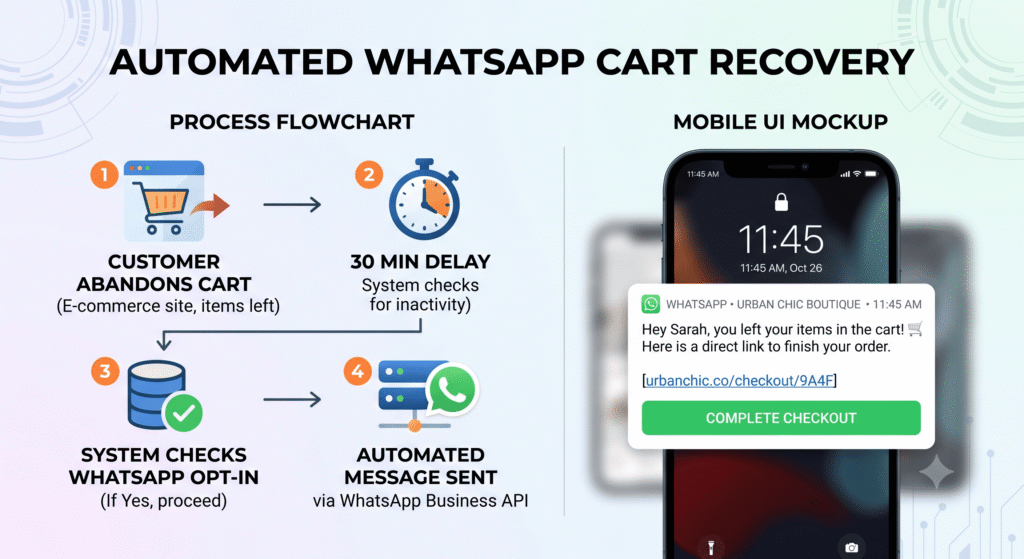
- Automated WhatsApp Cart Recovery: If a local buyer drops off during checkout, a personalized WhatsApp sequence can fire automatically to rescue the sale.
- Targeted Email Workflows: Launch automated post-purchase sequences, educational product guides, or cross-sell recommendations for your other product lines.
- Lookalike Audience Building: You can feed your first-party customer data directly into Meta Ads or Google Ads to find more high-converting South African buyers at a significantly lower customer acquisition cost (CAC).
3. The Hybrid Architecture Strategy: Playing the Double-Edged Sword
We don’t advise profitable merchants to delete their Takealot seller portals overnight. Instead, the most resilient South African brands utilize a highly strategic hybrid retail model to maximize both visibility and profit.
       [ HIGH-VOLUME MARKETPLACE TRAFFIC ]
                       │
                       ▼
               Takealot Storefront
        (Discovery & Clearance Channel)
                       │
                       ├─► Low-Margin / Single Items Sold
                       │
                       └─► Physical Package Insert Added
                               │
                               ▼
               [ QR Code / VIP Discount Offer ]
                               │
                               ▼
                     Direct Shopify Store
               (High-Margin / Retention Stream)
- Use Takealot for Discovery: View Takealot as a customer discovery and inventory clearance engine. Keep lower-margin single items or excess stock on the platform to capture raw organic search volume.
- Use Shopify for Margin & Exclusivity: Reserve your high-margin product bundles, premium variations, subscription products, and exclusive product launches strictly for your direct Shopify storefront.
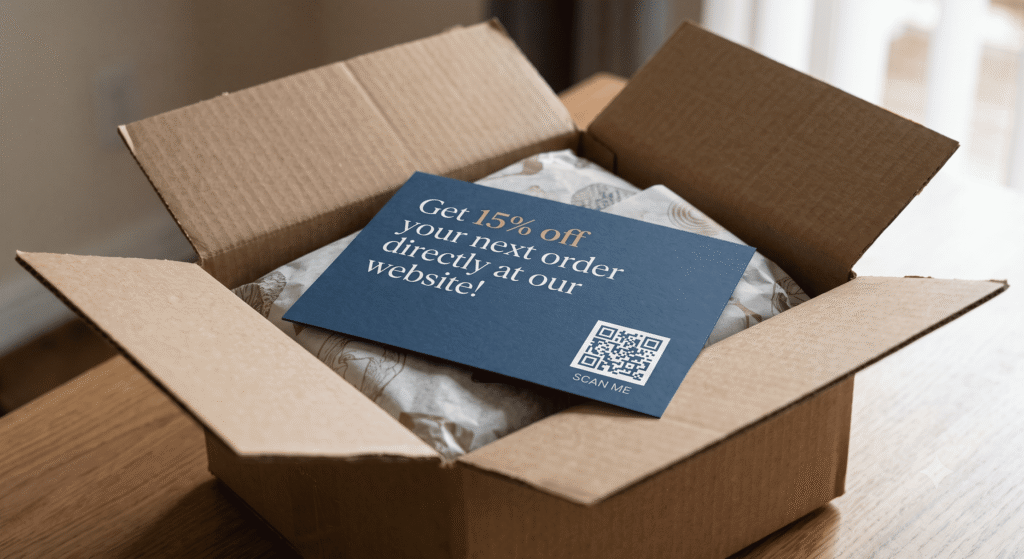
- Deploy Package Inserts: Include high-quality, branded physical inserts, warranty activation cards, or custom QR codes inside your physical Takealot shipments. This legally incentivizes the buyer to visit your direct Shopify website for their subsequent orders, effectively migrating a marketplace renter into an owned customer.
4. Building the Tech Stack for Dual Channel Independence
If a buyer leaves a seamless marketplace ecosystem to visit your independent website, your direct checkout experience must be exceptionally fast. As we’ve highlighted before, a clunky checkout architecture will kill your conversion rate. If your site feels slow or unpolished, local consumers will immediately run back to the safety of a major marketplace.
Building a performance-optimized Shopify ecosystem allows South African brands to connect seamlessly with local e-commerce infrastructure leaders:
- Payment Gateways: Integrate trusted, localized providers like PayFast, Yoco, or Peach Payments to offer frictionless one-click payment options, including Apple Pay, Google Pay, and localized instant EFTs.
- Fulfillment Operations: Sync your backend with logistics aggregators like Bob Go (formerly uAfrica) to completely automate your waybill generation, real-time tracking updates, and courier routing across top local networks like The Courier Guy, Fastway, or Aramex.
- Reverse Logistics: Pair your store with automated returns engines like Returnit to give buyers a self-service returns portal, eliminating human-error customer service emails and automatically generating return waybills for your warehouse.
The Omnichannel Success Stories: SA Brands Winning on Both Platforms
Smart South African brands do not abandon Takealot; they weaponize it. They use Takealot as a customer acquisition engine for single-item, low-AOV (Average Order Value) impulse buys, but they drive all recurring, high-ticket, and subscription revenue through their own high-performance Shopify stores.
Here are three South African brands executing this flawlessly:
- Kiko Vitals – Kiko Vitals leverages Takealot for top-of-funnel brand discovery. However, their custom Shopify store is where the real profit happens, utilizing advanced subscription apps (like Skio or Recharge) to lock in recurring monthly revenue for their hormone-balancing supplements. Takealot gets the first sale; Shopify gets the next twelve.
- Motherkind – As one of South Africa’s leading premium collagen brands, Motherkind maintains a strong presence on Takealot for fast, everyday delivery. But their high-converting Shopify store is designed for scale – offering bulk family bundles, exclusive new flavor drops, and branded loyalty programs that Takealot’s basic infrastructure simply cannot support
- Silki – Silki has exploded in the SA skincare market. While you can find their individual serums on Takealot, their dedicated Shopify ecosystem features custom digital skin-trackers, tiered bundle discounts, and Build Your Routine upselling quizzes. They own their customer data, which allows them to market directly to buyers via email and SMS with zero platform fees.
Launching Your Second Revenue Stream
Relying on a single platform means your business is inherently fragile. If you are tired of losing the Takealot Buy Box, watching success fees eat your net profits, and being blocked from communicating with your own buyers, it is time to build a platform you actually control.
- Calculate Your Fees: Audit your past three months of Takealot statements. Look closely at the true percentage you are losing to success fees, storage fees, and removal charges.
- Check Your Customer Retention: Ask yourself how many repeat purchases your business generated last month. If the answer is zero because you don’t have access to your client list, you are leaving major revenue on the table.
- Diversify Your Risk: Start building a secondary digital asset. Launching a tailored Shopify channel alongside your current operations provides an immediate safety net and lifts your overall business valuation.
Tired of competing in a race to the bottom? Stop renting your entire audience on Takealot. Book a free technical audit with ShopScale today and let us help you build a secondary, high-converting Shopify revenue stream that your brand completely owns.
Frequently Asked Questions (FAQs)
Is it more expensive to run a Shopify store compared to selling on Takealot?
No. While Shopify has a clear, predictable monthly software subscription fee, it completely eliminates the massive 8% to 15% success fees that Takealot subtracts from every single transaction. With your own Shopify site, your transaction costs drop down to basic local payment gateway fees (typically around 2% to 3.5%), meaning your profit margins scale higher as your sales volume grows.
Can I run my Takealot seller account and a Shopify store at the same time?
Absolutely. This is the exact hybrid model we recommend. You can keep your active listings on Takealot to continuously capture cold marketplace traffic, while simultaneously running a dedicated Shopify store to build your brand identity, offer exclusive product bundles, and capture direct, high-margin sales.
How can a Takealot reseller stand out if they don’t manufacture their own products?
As a reseller, standing out on a marketplace is nearly impossible because you are locked into a price war for the Buy Box. A custom Shopify website allows you to completely change the value proposition. You can write comprehensive product guides, build custom multi-item packages, offer exceptional post-purchase support, and use automated WhatsApp loyalty flows – things a generic marketplace grid listing can never achieve.
How do I legally get a Takealot buyer to purchase from my Shopify store next time?
Since digital customer details are masked by the platform, you must bridge the gap inside the physical box. Designing high-quality physical packaging inserts – such as an exclusive discount card for their next purchase, a QR code for a free extended warranty registration, or a prompt to join a VIP loyalty club – is the absolute most effective way to guide marketplace buyers directly to your owned Shopify store.